
The Chronicle Archive
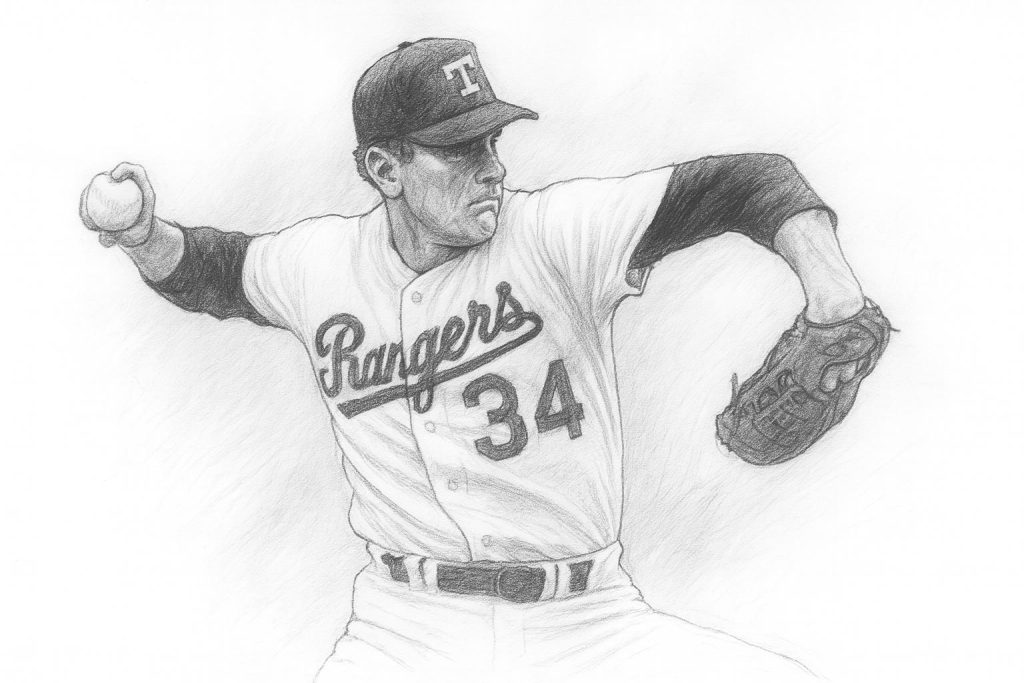
Stories, intersections, and echoes from the long arc of Nolan Ryan’s career
A curated collection of the human stories behind the milestones — the players, umpires, collectors, fans, and quiet moments that shaped Nolan Ryan’s journey. Here, the chronicles unfold where careers brush together and memories take root, revealing how a single pitch or a single piece of cardboard can echo far beyond its moment. New chapters will continue to appear over time; follow along on Facebook to see each Chronicle as it arrives.
Crossroads of Careers
Record Breaking Moments
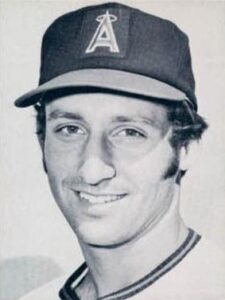
The Second Masterpiece
On August 7, 1974, one routine ground ball—and one split-second struggle—stood between Nolan Ryan and history, with Rudy Meoli caught at the center of it. What followed was a moment that reveals how even the smallest roles can shape—or shatter—the game’s greatest milestones.
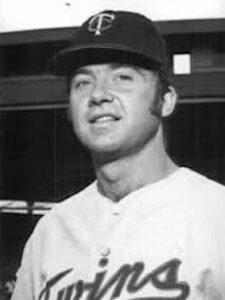
383
In 1973, Nolan Ryan didn’t just break a record—he overwhelmed the game, striking out 383 batters in a season no modern pitcher has come close to matching. But hidden within that number is a story about endurance, era, and just how different baseball once was.
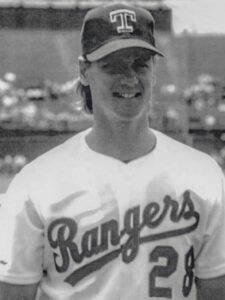
Saving 300
Brad Arnsberg’s name isn’t the one remembered—but on the night Nolan Ryan reached 300 wins, it was Arnsberg who quietly finished what Ryan started. Sometimes, history hinges not on the legend on the mound, but on the arm trusted to close it.
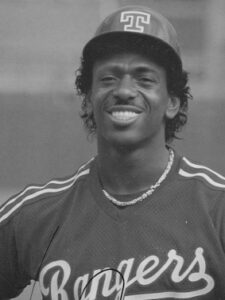
Franco’s Three
Julio Franco’s glove became the quiet hinge on which Nolan Ryan’s seventh no-hitter turned, handling three of the night’s most fragile moments. In a game remembered for strikeouts, it was those unseen plays that kept history intact.
Game-Day Moments
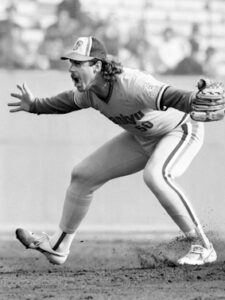
Breaking Character
In a game built on control and composure, even Nolan Ryan had moments where emotion broke through the mask. Breaking Character captures one of those rare flashes—when the legend revealed something deeply human beneath the fire.
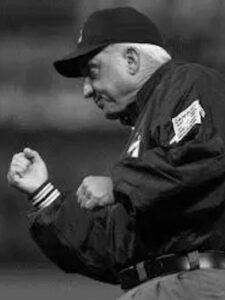
Through The Umpire’s Eyes
In 1992, Nolan Ryan was ejected for the only time in his career—but the story doesn’t end with the call, it begins there. Rich Garcia pulls back the curtain on that moment, revealing how judgment, tension, and perspective can shape history as much as the pitch itself.